- Empty cart.
- Continue Shopping


Screen printing is the process of pressing ink through a stencilled mesh screen to create a printed design. It’s a popular technique used in a whole range of different industries, so even if you’ve never heard of the term before today, it’s likely that you’ve worn or used a screen-printed product at some point without even realising. The process is sometimes called serigraphy or silk screen printing, but all of these names refer to the same basic method.
Screen printing is an effective technique for creating bold canvases, posters and artwork, but the method can also be used to print fabrics and textiles, so it’s great for creating all sorts of custom clothing and products.
What is Screen Printing?
Screen printing is the process of transferring a stencilled design onto a flat surface using a mesh screen, ink and a squeegee. Fabric and paper are the most screen-printed surfaces, but with specialised inks it’s also possible to print onto wood, metal, plastic, and even glass. The basic method involves creating a stencil on a fine mesh screen, and then pushing ink (or paint, in the case of artwork and posters) through to create an imprint of your design on the surface beneath.
The process is sometimes called ‘silk screening’ or ‘silk screen printing’ and while the actual printing process is always similar, the way the stencil is created can vary, depending on the materials used. Different stencilling techniques include:
- Using masking tape or vinyl to cover the desired areas of the screen.
- Painting the stencil onto the mesh using ‘screen blockers’ such as glue or lacquer.
- Using a light-sensitive emulsion to create a stencil, which is then developed in a similar way to a photograph.
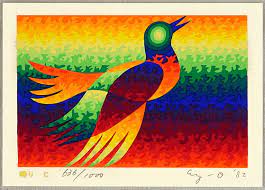
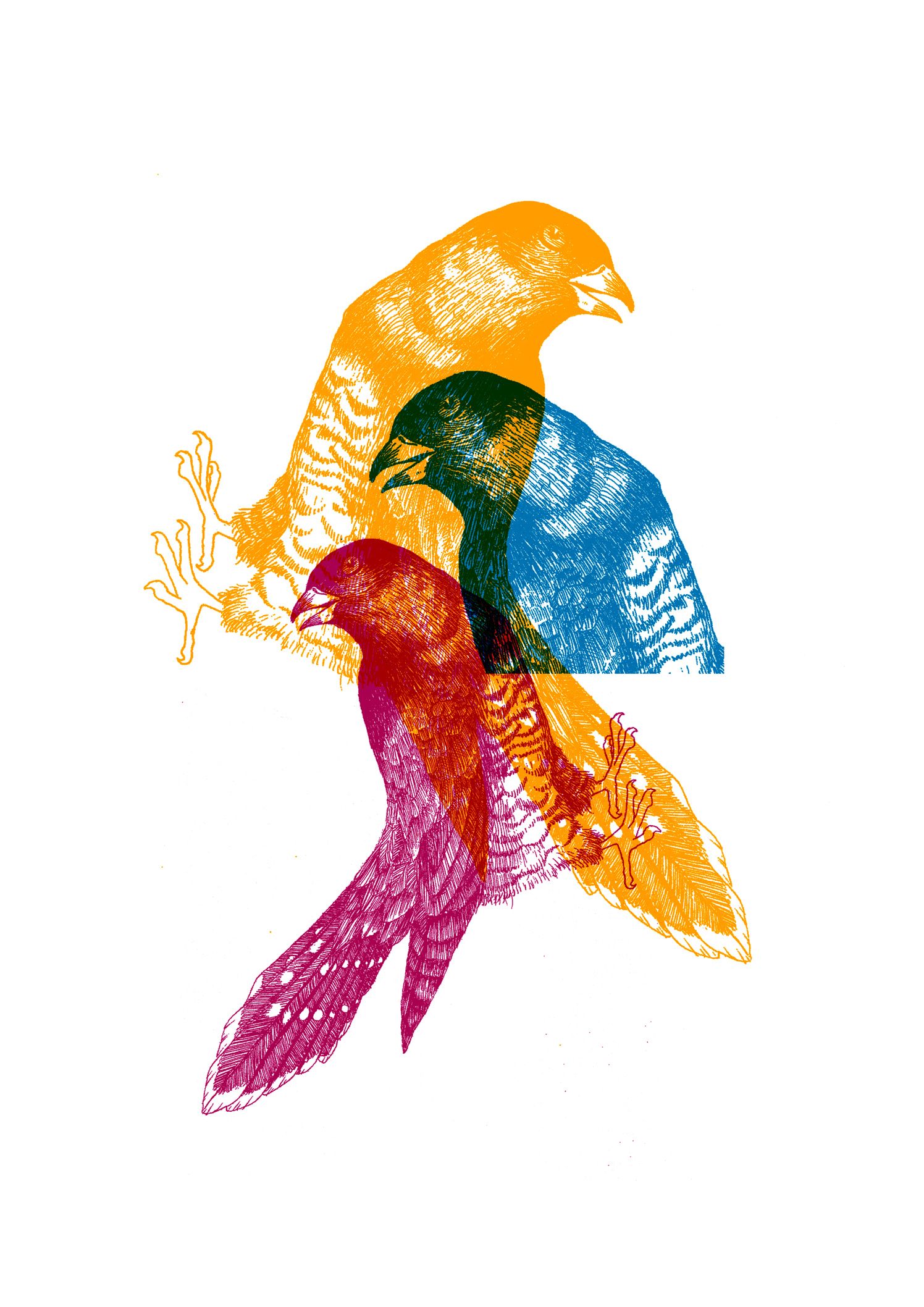
Designs made using the screen-printing technique may use just one shade of ink, or several. In the case of multicoloured items, the colours must be applied in individual layers, using separate stencils for each ink.
Why is Screen Printing used?
One of the reasons that the screen-printing technique is so widely used is because it produces vivid colours, even on darker fabrics.
The ink or paint also lies in layers on the surface of the fabric or paper, which gives the print a pleasingly tactile quality.
The technique is also favoured because it allows the printer to easily reproduce a design multiple times. Because the same stencil can be used to replicate a design again and again, it is very useful for creating multiple copies of the same garment or accessory. This makes screen printing a very efficient technique for creating large batches of custom clothing for sports teams or work uniforms.
When carried out using professional equipment by an experienced printer, it is also possible to create intricate multicoloured designs. While the complexity of the process does mean there is a limit to the number of colours the printer can use, it does allow for more intense colouring than is possible to achieve with digital printing alone.
There are different methods of screen printing, but they all involve the same basic technique. The form of printing we will talk about below uses a special light-reactive emulsion to create a custom stencil; this tends to be the most popular type of commercial printing, as it can be used to make intricate stencils.
A Guide to Screen Printing Equipment
To get a clean, sharp print, a screen printer needs to have the right tools for the job. Here, we will talk about every piece of screen-printing equipment, including what function they serve during the printing process.
Screen printing Press
While it is possible to screen print with just a mesh screen and a squeegee, most printers prefer to use a press, as it allows them to print lots of items more efficiently. This is because the press holds the screen in place between prints, making it easier for the user to swap out the paper or clothing being printed.
There are three types of press: manual, semi-automatic, and automatic. Manual presses are operated by hand, meaning they are quite labour intensive. Semi-automatic presses are partially mechanised, but still require human input to swap over the items being pressed, while automatic presses are completely automated and require little to no input.
Businesses that need to print items in large quantities will normally use a semi- or fully automatic press, as this allows faster, more efficient printing and minimises mistakes. Smaller companies, or those who do screen printing as a hobby, might find that a manual table-top press (sometimes called a ‘hand bench’ press) is better suited to their needs.
The Inks
The ink, pigment or paint is pushed through the mesh screen and onto the item being printed, transferring a coloured imprint of the stencil design onto the product.
There is much more to choosing an ink than just picking a colour. There are lots of specialist inks, which can be used to create different effects on the finished product. For instance, a printer may use glittery inks, texturized inks, or puff inks (which expand to create a raised surface) to create a unique look or feel. The printer will also consider the type of fabric being screen printed, as some inks will work better on certain materials than others.
When printing clothing, printers will use a type of ink which becomes machine washable once it has been heat-treated and set. This produces a colourfast, long-wearing item that can be worn again and again.
The Silk Screen
The silk screen in silk screen printing is a metal or wooden frame with a fine mesh fabric stretched over the top. Traditionally, this mesh was crafted from silk thread, but nowadays this has been superseded by polyester fabrics, which offer the same performance for a lower price. The thickness and thread count of the mesh can be chosen to suit the texture of the surface or fabric being printed, with smaller spaces between threads allowing for greater detail in the print.
Once the screen has been coated in emulsion and exposed, it is ready to be used as a stencil. After the screen-printing process has finished, it can be washed and re-used.
The squeegee
A squeegee is a rubber blade attached to a long wooden, metal or plastic handle.
It’s used to push the ink through the mesh screen and onto the surface being printed. The printer will usually pick a squeegee that is a similar size to the frame of the screen, as this will give better coverage.
A firmer rubber blade is better for printing intricate designs with lots of detail, as it ensures all the nooks and crannies in the stencil receive an even layer of ink. A softer, more yielding rubber squeegee is often used when printing less detailed designs, or when printing onto fabric.
The Washing Station
The screens need to be washed to remove all traces of emulsion after use, so they can be reused again for future prints. Some larger printworks may use large tubs of special cleaning fluid or acid to remove the emulsion, while other printers simply use a water trough or sink and a power hose to clean their screens.
Will Screen Printing Ink wash out?
If a garment has been properly screen printed by a trained professional using a heat-treated washable ink, then the design should not wash out. To ensure a colourfast finish, the printer needs to make sure that the ink is set according to the manufacturer’s guidelines.
The correct drying temperature and time vary depending on the type of ink and the fabric used, so the printer needs to follow the instructions to the letter if they want to create a long-lasting, washable item.
What is the difference between Screen Printing and Digital Printing?
Direct to garment (DTG) digital printing uses a specialised fabric printer — a bit like an inkjet computer printer — to transfer an image directly onto a textile. It differs from screen printing because a digital printer is used to transfer the design directly onto the fabric. Because there is no stencil, multiple colours can be applied all at the same time, rather than in separate layers, meaning this technique is often used to print intricate or very colourful designs.
Unlike screen printing, there’s little setup required, which means that digital printing is a more cost-effective option for printing small batches of clothing or single items. And because it uses a computerised image rather than a stencil, it’s great for producing photographic or highly detailed designs.
However, as the colours are printed using CMYK-style dots of colour, rather than solid blocks of ink, it does not provide quite the same intensity of colour that you get with screen printing. You cannot create texturized effects with a digital printer, either.
What is the difference between Silk Screen Printing and Heat Transfer?
Heat transfer printing is the name given to any kind of printing that uses heat to bind a design to a fabric. The design is printed out onto a material coated with heat-reactive adhesive, called transfer or sublimation paper. When a heat press is applied to the transfer paper, the adhesive reacts to the heat and sticks to the surface of the fabric beneath, creating a printed textile.
Heat transfer printing is easy and cost effective, so it’s great for smaller batches of personalised printing. It can also be used to transfer detailed photographic designs, which screen printing cannot do. Digital transfer printing can also be used to get great results on items like bags, hats, or footwear, which can be tricky to screen print owing to their awkward shape.
It’s also possible to combine the heat transfer process with digital techniques, to get the best of both worlds. With digital heat transfer printing, a design is created using computer software and printed onto white transfer paper. The design is then cut out using a machine called a plotter, which follows a digital outline to get accurate results. The finished transfer is placed on the desired spot on the garment or accessory and is then heat-treated to bind it to the fabric.
If there is a downside to heat transfer printing, it’s that the quality can vary drastically depending on the materials used, and certain printers using low-quality materials and shoddy techniques have given it something of a poor reputation in recent years. But, as long a good transfer material is used and the design is applied with care, the resulting garment will be a high-quality, long-lasting piece.
All of our digitally printed garments are created using premium, soft feel transfer materials, applied using state-of-the-art printers and plotters, so we’re confident that we offer some of the best digital printing on the market.
Nowadays, screen printing is used both as an artistic medium and as a commercial printing process. One stencil can be used to reproduce the same design hundreds — or even thousands — of times, so it’s a brilliant technique for producing large orders of custom clothing.
Digital Transfer
Digital transfer is great for small and large logos with multi coloured designs and logos. It is perfect for difficult to screen print items like bags and caps. Logos are printed and cut from a printable vinyl that is then heat pressed onto the garment. Smaller qty orders for stag and hen t-shirts or one-off designs make printing affordable as there are no setup charges. Some see transfers as a poor-quality way of printing, but this is usually due to poor ‘iron on’ transfers which have flooded the market and given transfer printing a bad name. Build Your Brand only uses high quality, professional, soft feel transfer material; printed using the latest digital printer/plotters.
Vinyl
Vinyl printing is perfect for small runs on one colour logos or individual names/numbers on sports kits. Much like Digital Transfer, the vinyl is cut, and heat pressed onto the garment to create a smooth finish. We use high quality vinyl suitable to the garment material ordered. No setup cost makes this perfect for one off prints.
Direct to Garment (DTG)
With DTG, full colour designs can be printed onto t-shirts, hoodies and sweatshirts directly to create a really vibrant finish. This process works for smaller quantities on designs with lots of fading/shading of colours. No setup charge makes DTG an affordable way of getting designs previously only achievable by screen printing onto a single t-shirt without the expense.
Garment Finishing
The key to adding extra perceived value to your fashion range.
Build Your Brand offers a long list of garment finishing services to add a high quality finishing touch to your custom clothing.
Neck Labels
Rebranding your own stock garments is a no-brainer for new fashion brands. We can remove the stock garment label and replace with your own woven tags or printed neck labels. For a little extra cost, you can create a mountain of extra perceived value for your brand.
Hem/Sleeve Tags
Woven or printed tags added to the sleeve or hem of your garment add more value to the garment and allow you to sell a fully rebranded garment for a higher price. Plus, they look awesome!
Swing Tags
Swing tags can also be added to each garment. We can supply anything from a simple rectangular tag to dye-cut shapes and folded swing tags. Applying to the garment is easy with a tagging gun or if you want to go fancy you can use some nice string or ribbon. We can print and supply swing tags. Most customers choose to apply the tags themselves and we can advise on where to pick up the equipment to do this.
Barcoding
For those lucky enough to be selling through other stores you may need to add barcodes to your garments for easy scanning at checkout or warehouse. We can print and attach barcodes to your swing tags or polybags for a small additional cost.